It is important that the current keep flowing, but it does not need to achieve a certain rate or level. Therefore, even though graphite is a resistive material, it is highly ideal in these situations. Read More…
At Weaver Industries we specialize in manufacturing machined graphite parts and products. Our goal is to ensure that our customers get the right tools for their applications. We are leaders in the industry for our graphite machining processes which include recycling and reclaiming machined electrodes. Custom molded urethane and high quality carbon graphite are only a few of our other...

At Amsted, we specialize in precision graphite machining, delivering advanced solutions that meet the exacting standards of modern industries. Our team brings together decades of expertise and state-of-the-art technology to produce high-performance graphite components with superior accuracy, consistency, and surface quality.
SGL Carbon Group is the world's largest manufacturer of carbon and graphite, a leading provider of graphite specialties and the only company in the world to master all related manufacturing processes. We serve many industries with graphite materials, system solutions and graphite design.




More Graphite Anode Companies
The anodes are usually constructed from a combination of petroleum coke and coal tar pitch and are relatively easy to machine as finish or appearance is also not a determining factor in effectiveness. Used conjunctively with carbon graphite or other anode backfill, graphite anodes provide a long lasting solution and are one of the most commonly recycled graphite products as they contain few additives.
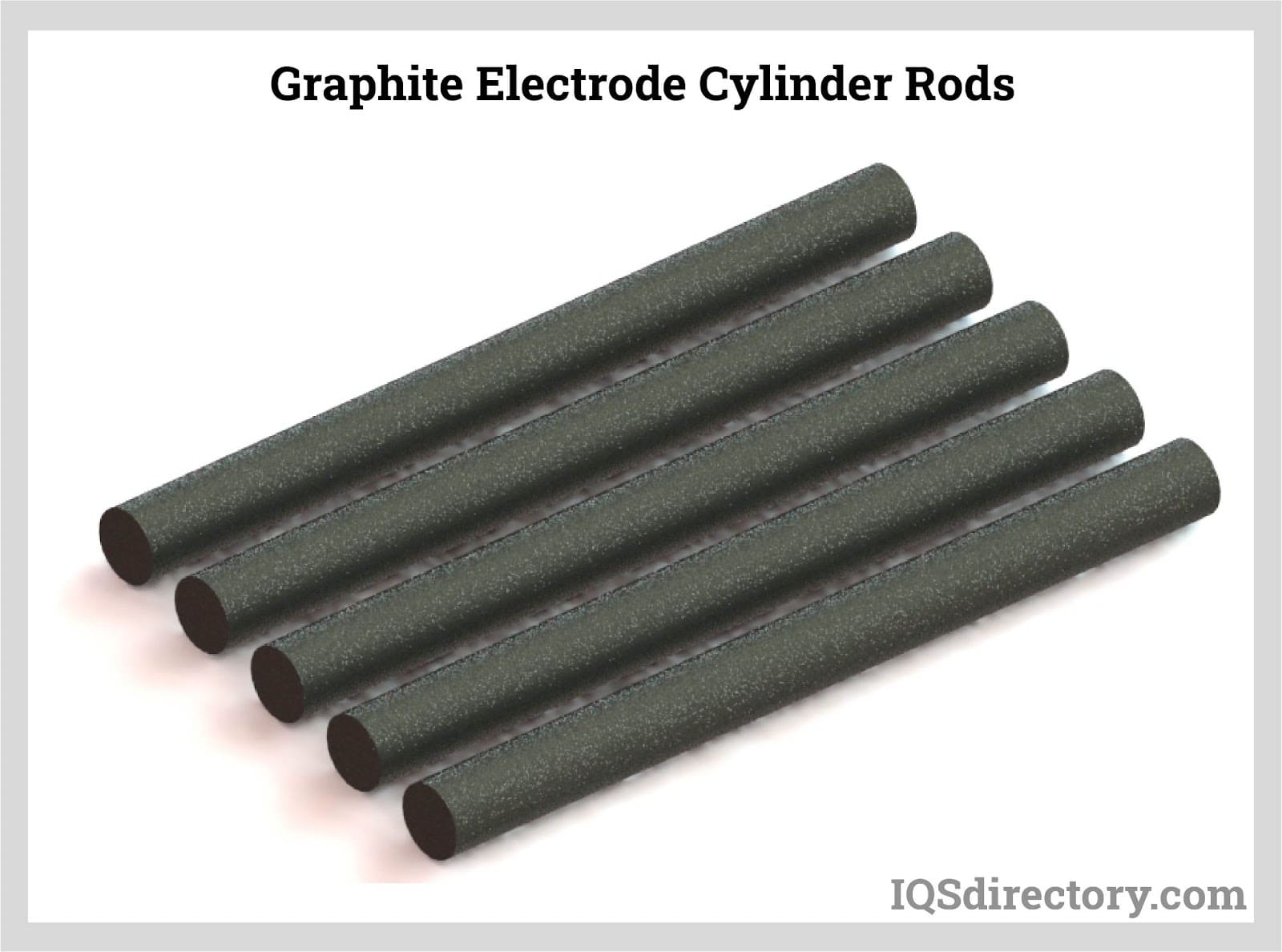
Custom specifications are often used to produce graphite anodes as they are typically application specific. Common approximate sizes are between 60 and 150mm in diameter and from 1200 to 1500mm long. The extruded graphite rods are baked in an oven and sintered to improve the density of graphite. They are typically extruded around a thin brass pin which is then connected to a cable in order to form the electrochemical cell necessary for the process of cathodic protection.
Over time however, despite its durability and corrosion resistance, graphite will begin to break down, especially when used in the purpose of cathodic protection. However, some graphite anodes are treated with a non-porous quality non-conducting material such as oils, microcrystalline waxes or resins. The treatment of graphite anodes will ensure a higher level of performance, especially in wetter environments when exposure to moisture is prolonged or constant.
The wax, resin or oil seals the porosity of the anode and protects it against water absorption as well as improving the stability and wear rate by reducing the electrochemical reactions within the anode. Applications such as dock-side uses and water tanks, as well as deep underground installations are recommended to pre-treat the anodes to ensure optimal performance.
 Adhesives
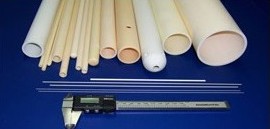 Alumina Ceramic
 Ceramic
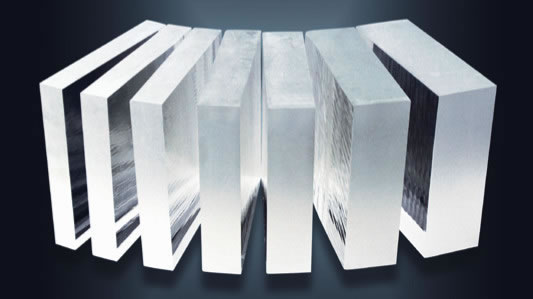 Glass
Glass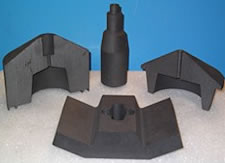 Graphite
 Lubricants
 Castings & Forgings
 Bulk Material Handling
 Electrical & Electronic Components
 Flow Instrumentation
 Hardware
 Material Handling Equipment
 Metal Cutting Services
 Metal Forming Services
 Metal Suppliers
 Motion Control Products
 Plant & Facility Equipment
 Plant & Facility Supplies
 Plastic Molding Processes
 Pumps & Valves
 Recycling Equipment
 Rubber Products & Services